
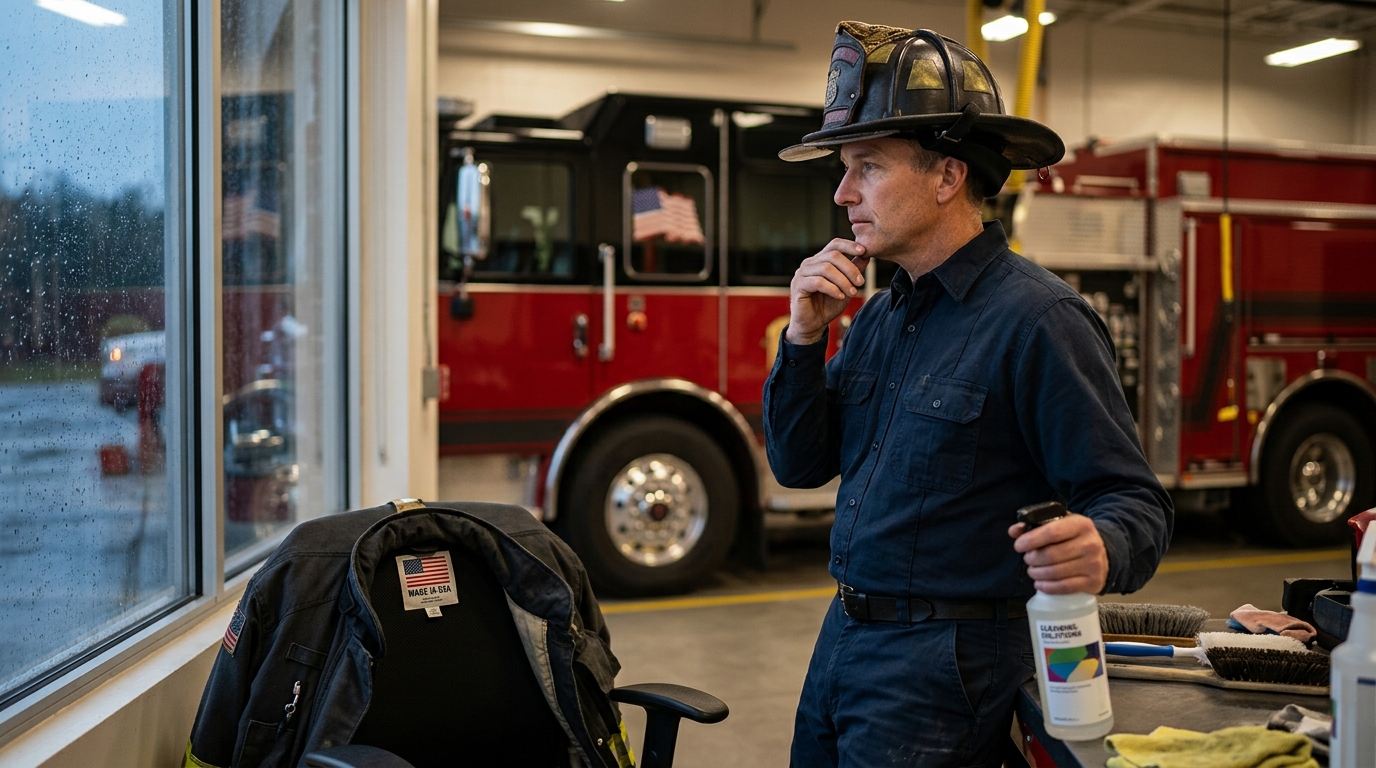
Premium American-Made Fire Rescue Apparel and Apparatus Cleaning Solutions
Finding high-quality, American-made fire rescue apparel and reliable apparatus cleaning solutions can feel overwhelming with so many vendors on the market. First responders need gear that meets strict safety standards and cleaning products that protect both their health and their investment in expensive equipment. This guide covers where to source premium USA-made apparel, what to look for in apparatus and PPE cleaning products, and how evolving NFPA standards shape every purchasing decision. Whether you outfit a career department or a volunteer company, understanding what separates good gear from great gear starts here.
Why American-Made Matters for Fire Rescue Gear
American-made fire rescue products are held to some of the tightest manufacturing and material standards in the world. When gear is produced domestically, departments benefit from shorter lead times, easier warranty service, and direct accountability from the manufacturer.
Chief Miller Apparel is a firefighter-owned and operated retailer that stocks a curated selection of premium first responder apparel from trusted American brands. Many of their featured tools, like the JTC Kelly Tool, are 100% USA made and field-tested by active firefighters. Sourcing domestically also supports the fire service community and keeps quality control within reach.
What to Look for in Premium Fire Rescue Apparel
Premium fire rescue apparel is clothing and gear engineered to withstand extreme heat, abrasion, and chemical exposure while keeping the wearer comfortable during extended operations. Look for these qualities when evaluating any product:
Material and Construction
High-end station wear and duty apparel should use reinforced stitching, moisture-wicking fabrics, and fire-resistant materials. Brands carried at Chief Miller, such as Vanguard and Majestic Fire gloves, demonstrate the kind of purpose-built construction first responders depend on.
Certifications and Compliance
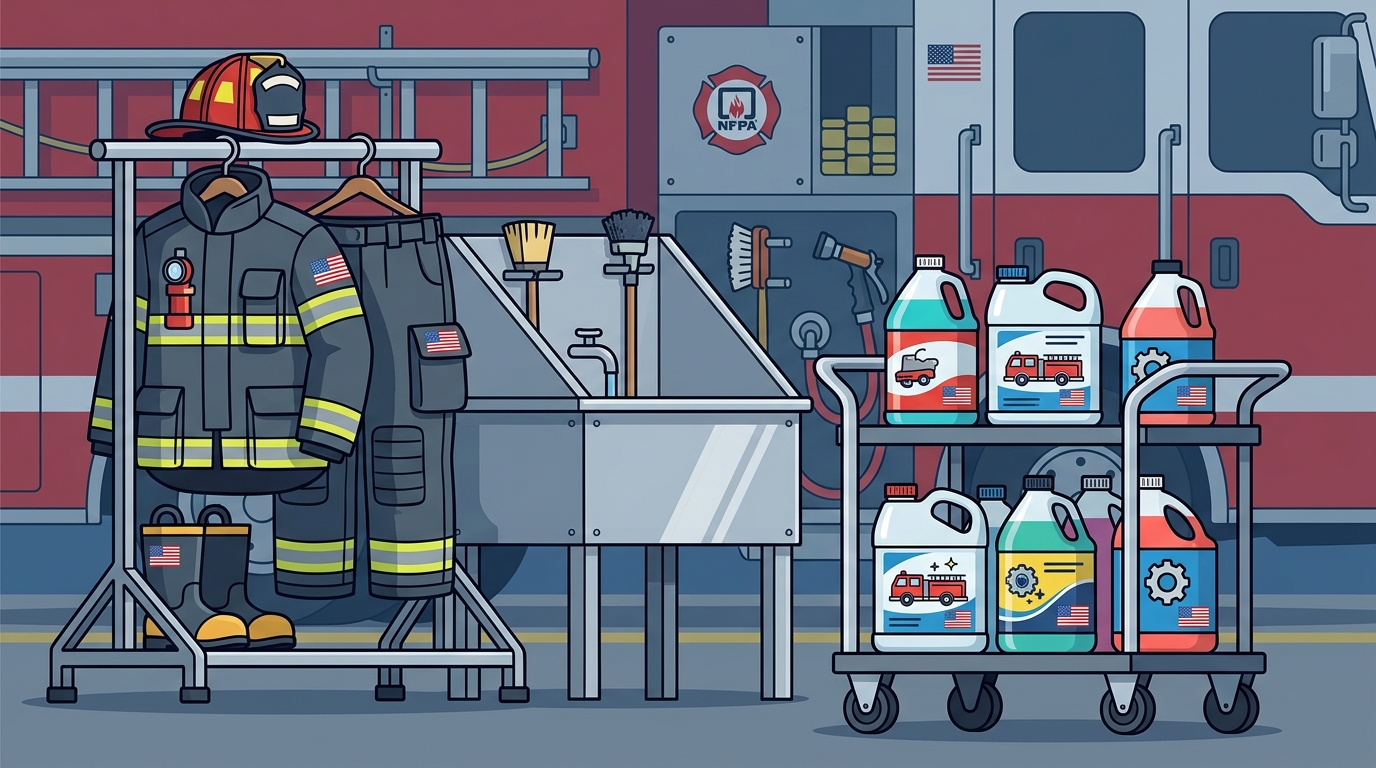
Structural gear must comply with NFPA 1971 product standards. Departments should verify that every ensemble element carries proper third-party certification before placing it in service.
Fit for the Mission
From wildland packs to structural turnout gear, Chief Miller offers rescue equipment and firefighting tools chosen by professionals who understand the fireground firsthand.
NFPA Cleaning Standards Every Department Should Know
NFPA 1851 is a comprehensive set of guidelines that outline the requirements for selection, inspection, cleaning, repair, and maintenance of firefighter PPE. In 2025, NFPA consolidated 1851 and 1852 into the new NFPA 1850 standard, reflecting evolving approaches to PPE care.
Key requirements include conducting advanced cleaning at least twice per year and after every exposure to combustion products. Departments must use verified Independent Service Providers (ISPs) when outsourcing advanced cleaning, and written standard operating procedures are mandatory. The 2020 edition doubled the annual advanced cleaning requirement from once to twice per year.
The Firefighter Cancer Support Network reports that firefighters face a 9% higher risk of cancer diagnosis than the general population. Proper gear decontamination is not optional; it is a life-safety issue.
Apparatus Cleaning Solutions: Products and Best Practices
Apparatus cleaning is the process of washing, decontaminating, and protecting fire trucks and rescue vehicles to maintain their appearance, function, and safety. Modern best practices go far beyond a bucket and sponge.
Washing Technique
Industry experts recommend using a pressure washer under 2,000 PSI with higher gallons-per-minute flow to avoid paint damage. A foam cannon paired with pH-neutral soap provides even coverage. The two-bucket method with grit guards prevents swirl marks on painted surfaces, according to guidance published in Fire Apparatus Magazine.
Drying and Protection
Microfiber towels combined with a spray wax or quick detailer lubricate the final wipe and add a protective layer. Ceramic or silicone-based coatings offer long-term hydrophobic protection that minimizes water spots and is safe for vinyl decals.
Interior Decontamination
The clean cab concept focuses on isolating contaminated gear from the apparatus cab and using smooth, non-porous interior surfaces that are easy to wipe down. Pierce Manufacturing notes that thorough cleaning may happen after every call depending on department policy.
PPE Decontamination Products That Meet the Standard
Chief Miller Apparel stocks a dedicated decontamination collection that includes the FLAME Natural Decon Soap line and on-scene skin decontamination wipes. These products are designed to remove soot, smoke residue, and carcinogenic compounds from both gear and skin without damaging PPE fabrics.
The FLAME Natural Decon Soap Collection offers eco-friendly laundry detergent formulated for turnout gear, along with personal care items like decon shave soap. Products that meet or exceed NFPA 1850 advanced cleaning characteristics are critical for reducing exposure to VOCs, PAHs, and heavy metals.
Cleaning Product Comparison Table
| Product Category | Use Case | Key Benefit | NFPA Relevant |
|---|---|---|---|
| FLAME Natural Decon Laundry Detergent | Turnout gear washing | Eco-friendly, removes carcinogens | Yes (NFPA 1850) |
| Apparatus Wash (pH-neutral soap) | Exterior truck washing | Safe on paint and decals | No |
| Ceramic/Silicone Coating | Long-term paint protection | Hydrophobic, reduces water spots | No |
| On-Scene Decon Wipes | Skin decontamination after exposure | Removes soot and particulates immediately | Yes (NFPA 1850) |
| PPE Multi-Surface Cleaner | Helmets, SCBA, apparatus interior | Safe on all PPE surfaces | Yes (NFPA 1850) |
Key Takeaways
- American-made fire rescue apparel delivers faster fulfillment, better quality control, and direct manufacturer support.
- Chief Miller Apparel is a firefighter-owned retailer offering curated gear, decon products, and USA-made tools for every first responder discipline.
- NFPA 1850 (formerly 1851 and 1852) now requires at least two advanced PPE cleanings per year and mandates verified ISPs for outsourced services.
- Apparatus cleaning should use pH-neutral soap, low-pressure high-flow washers, and ceramic or silicone coatings for long-term protection.
- PPE decontamination is a cancer-prevention measure, not just a cosmetic step. Firefighters face a 9% higher cancer risk than the general population.
- Eco-friendly decon detergents like FLAME Natural Decon Soap remove carcinogenic compounds without degrading gear performance.
- The clean cab concept isolates contaminated equipment from the apparatus cab to reduce crew exposure to fireground toxins.
Frequently Asked Questions
What is NFPA 1850?
NFPA 1850 is the consolidated standard that combined the former NFPA 1851 and NFPA 1852 into a single document covering the selection, care, and maintenance of structural firefighting PPE and SCBA. It took effect in 2025.
How often should turnout gear be cleaned?
Advanced cleaning should occur at least twice per year and after every exposure to combustion products, per the current NFPA standard. Routine spot cleaning should happen after each shift or use.
Where can I buy American-made fire rescue apparel online?
Chief Miller Apparel at chiefmillerapparel.com carries a wide range of American-designed and USA-made apparel, tools, and decon products specifically for firefighters, EMS, and police professionals.
What soap should I use to wash a fire truck?
Use a pH-neutral soap applied with a foam cannon. Avoid acidic or highly alkaline detergents that can strip wax coatings and damage painted surfaces or vinyl decals on apparatus.
Are decon wipes effective for on-scene use?
Yes. On-scene decontamination wipes help remove soot, smoke, and potential carcinogens from exposed skin immediately after an incident. They are a first step before a full shower and gear cleaning back at the station.
Does Chief Miller Apparel carry apparatus cleaning products?
Yes. Chief Miller stocks a dedicated Vehicle Wash and Cleaning category as well as the FLAME Natural Decon Soap Collection, covering everything from laundry detergent for turnout gear to personal decon products.
What is the clean cab concept?
The clean cab concept is a design and operational approach that isolates contaminated PPE and equipment from the apparatus cab interior, using exterior compartments and smooth, non-porous surfaces to minimize firefighter exposure to toxins during transit.
Why does buying American-made gear matter for fire departments?
Domestic manufacturing ensures compliance with U.S. safety standards, faster shipping and warranty service, and direct support for the American fire service supply chain.
Get Equipped Today
Ready to upgrade your department's apparel and cleaning supplies? Browse the full catalog at Chief Miller Apparel to find field-tested gear, decon products, and USA-made tools trusted by firefighters nationwide. Need help choosing the right products? Call (318) 536-1971 or visit the FAQ page for fast answers.