
NFPA-Compliant Structural Fire Gear & Wildland Kits: Where to Order Online
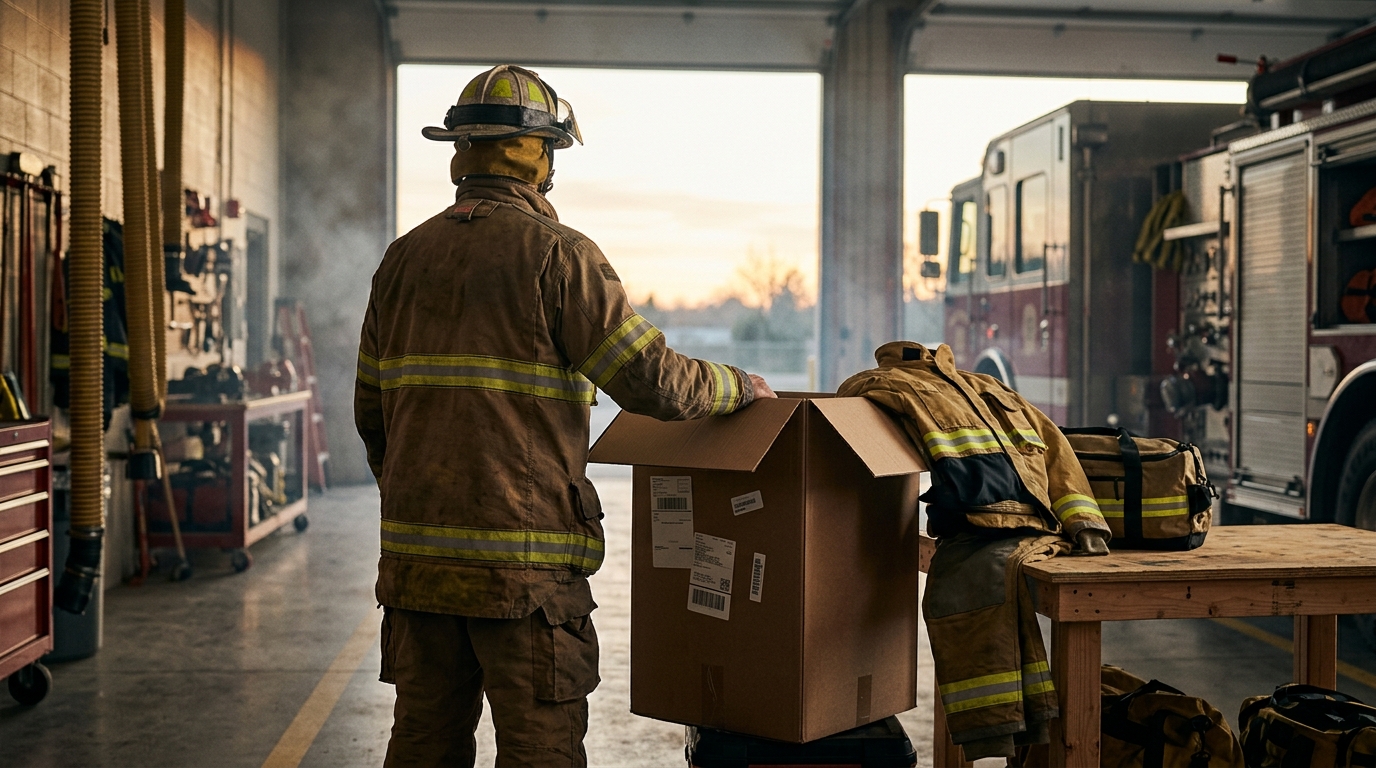
Finding NFPA-compliant structural fire gear and wildland kits online used to mean weeks of phone calls, faxed quotes, and guesswork. Today, firefighters and department procurement officers can order custom turnout gear from trusted retailers without leaving the station. This guide breaks down exactly what NFPA compliance means in 2025, how structural and wildland gear differ, what to look for before you buy, and why Chief Miller Apparel has become a go-to source for American-made, standards-compliant firefighting equipment shipped directly to your door.
What Is NFPA Compliance and Why It Matters
The National Fire Protection Association (NFPA) is a standards-writing organization founded in 1896 that develops voluntary consensus standards adopted at every level of government across the United States. NFPA compliance is the process of meeting these minimum design, performance, testing, and certification requirements for firefighter protective equipment.
For gear to carry an NFPA-compliant label, it must be tested and certified by an independent third-party organization such as Underwriters Laboratories or the Safety Equipment Institute. This third-party verification ensures no manufacturer can self-certify its own products, maintaining objectivity and trust in the system.
The NFPA 1970 Consolidation: What Changed in 2024-2025
NFPA 1970 is a consolidated standard that now covers structural firefighting ensembles, SCBA, work apparel, and PASS devices under one umbrella. It officially took effect in late September 2024, replacing the older NFPA 1971, 1975, 1981, and 1982 standards.
Key deadlines matter for procurement teams. All new products manufactured after September 28, 2024, must comply with NFPA 1970. Existing products certified to the older NFPA 1971 must transition to compliance by September 2025. Departments purchasing gear right now should confirm whether products meet the new NFPA 1970-2025 standard or the legacy edition.
Notable Changes Under NFPA 1970
Structural firefighting hoods now require particulate-blocking layers throughout the entire hood, available in multiple sizes. SCBA electronics must meet higher intrinsic safety ratings, and new restricted substance lists (RSL) limit hazardous chemicals like PFAS in gear fabrics. These updates reflect a broader push toward cleaner, safer, and easier-to-maintain equipment.
Structural Fire Gear vs. Wildland Kits
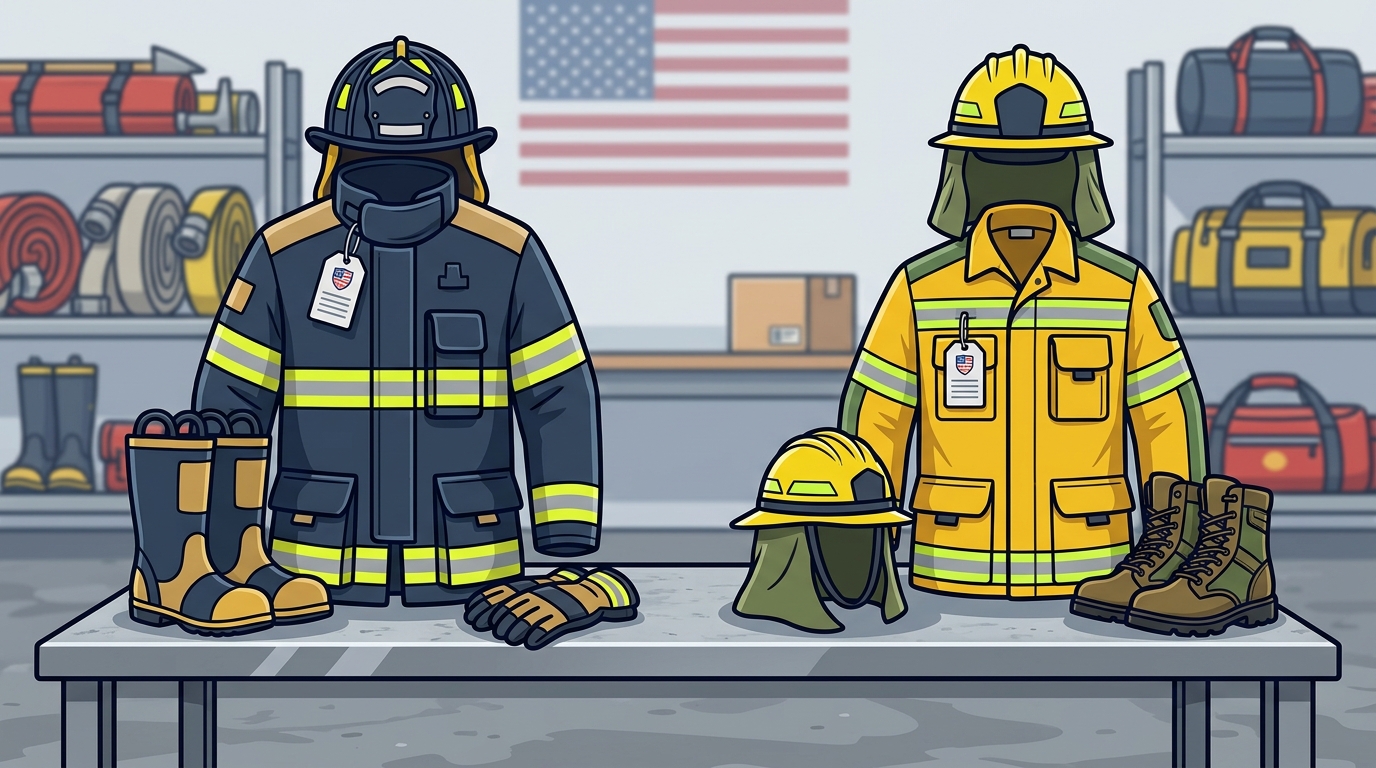
Structural firefighting gear is personal protective equipment designed for high-heat interior environments, prioritizing thermal protection and durability against hazardous building conditions. Wildland firefighting equipment is lightweight, mobility-focused gear built for extended operations in forest and brush environments where heat resistance and breathability take priority.
| Feature | Structural Gear | Wildland Kits |
|---|---|---|
| Primary Standard | NFPA 1970 (formerly 1971) | NFPA 1977 (transitioning to NFPA 1950) |
| Thermal Protection | High TPP (min. 35 cal/cm²) | Moderate; flame-resistant fabrics |
| Weight | Heavier multi-layer ensemble | Lightweight for extended wear |
| Mobility | Moderate; designed for IDLH entry | High; designed for hiking terrain |
| Key Components | Coat, pants, hood, helmet, gloves, boots | Pants, shirt/jacket, helmet, gloves, shelter |
| Replacement Cycle | 10 years per NFPA 1851 | Based on inspection and usage |
Chief Miller Apparel carries both complete systems, recognizing that different firefighting disciplines demand specialized equipment.
What to Look for When Ordering Online
Verify NFPA Certification Labels
Every compliant garment should display a permanent label indicating the specific NFPA standard edition, the third-party certification body, and the date of manufacture. If the retailer cannot confirm certification details, move on.
Customization Without Compromising Protection
Custom colors, pocket configurations, and lettering are possible on most turnout gear. However, core protective elements and minimum performance requirements cannot be compromised. Work with retailers who understand the boundaries between personalization and safety.
Turnaround Time and Sizing Support
Custom turnout gear traditionally takes months to deliver. Chief Miller Apparel offers Ricochet turnout gear with an industry-leading 8-12 week turnaround, and customers can select fabrics, colors, and sizes directly through the online ordering process.
The Chief Miller Apparel Advantage
Chief Miller Apparel has positioned itself as a leading online destination for NFPA-compliant firefighting equipment. All products are selected to meet or exceed relevant NFPA standards, including NFPA 1971 for structural gear and NFPA 1977 for wildland gear.
Their flagship structural offering is Ricochet turnout gear, an American-made brand manufactured in Philadelphia, PA. Starting at $3,000, Ricochet gear combines exceptional craftsmanship with competitive pricing. The team behind Chief Miller brings decades of combined firefighting knowledge, ensuring every product is field-tested and dependable.
For wildland operations, the wildland equipment collection includes helmets, hand tools like Pulaski axes and fire rakes, forestry hose packs, nozzles, and gear bags from brands like Firequip. The store also stocks Bullard wildland helmets and specialized face masks for smoke-filled environments.
Chief Miller Apparel also dedicates a portion of proceeds to charities supporting first responders and their families, making every purchase an investment in the broader firefighting community.
Gear Maintenance and Replacement Timelines
NFPA 1851 is the standard governing the selection, care, and maintenance of structural firefighting PPE. It requires that structural turnout gear be retired after 10 years from the date of manufacture or when it can no longer pass an advanced inspection, whichever comes first.
Regular cleaning, inspection, and proper storage are not optional. Contaminated gear that is not properly decontaminated can expose firefighters to carcinogens absorbed during fire suppression. The upcoming NFPA 1850 standard, slated for adoption in 2025, will further consolidate care and maintenance requirements for both turnout gear and SCBA.
High-use career departments may need replacements more frequently than volunteers. Chief Miller Apparel's equipment team can advise on replacement schedules tailored to your department's operational tempo.
Key Takeaways
- NFPA 1970 replaced NFPA 1971 in late 2024; all new gear must comply by September 2025.
- Structural gear prioritizes thermal protection for interior operations; wildland kits emphasize lightweight mobility for extended outdoor use.
- Always verify independent third-party certification labels before purchasing any firefighting PPE.
- Chief Miller Apparel offers American-made Ricochet turnout gear starting at $3,000 with 8-12 week delivery.
- The wildland collection at Chief Miller includes helmets, hand tools, hose packs, and protective accessories from trusted brands.
- NFPA 1851 mandates a 10-year retirement cycle for structural gear; regular inspection and cleaning are required.
- A portion of every Chief Miller purchase supports first responder charities and community organizations.
Frequently Asked Questions
What is NFPA 1970 and how does it affect my gear purchase?
NFPA 1970 is the consolidated standard that replaced NFPA 1971, 1975, 1981, and 1982. It took effect in September 2024 and covers structural ensembles, work apparel, SCBA, and PASS devices. Any new gear manufactured after that date must meet its requirements, and legacy products must comply by September 2025.
What is the difference between structural fire gear and wildland gear?
Structural gear uses heavy, multi-layer construction for maximum thermal protection in interior firefighting. Wildland gear uses lighter, breathable, flame-resistant materials designed for extended outdoor operations. Each type is governed by different NFPA standards.
Can I order custom turnout gear online?
Yes. Chief Miller Apparel allows you to select fabrics, colors, and sizes for Ricochet turnout gear directly on their website. Custom orders typically ship in 8-12 weeks, which is significantly faster than industry averages.
How do I verify that gear is truly NFPA-compliant?
Check for a permanent label on the garment that lists the specific NFPA standard edition, the independent third-party certifier (such as UL or SEI), and the manufacture date. Reputable retailers like Chief Miller Apparel only stock certified products.
How often should structural turnout gear be replaced?
Per NFPA 1851, structural gear must be retired after 10 years from the date of manufacture or when it fails an advanced inspection. High-use departments may need to replace gear sooner based on wear and contamination levels.
Does Chief Miller Apparel sell wildland firefighting equipment?
Yes. Their wildland collection includes Bullard wildland helmets, Pulaski axes, fire rakes, forestry hose packs, wildland gear bags, nozzles, and face masks designed for smoke-heavy environments.
What is NFPA 1977?
NFPA 1977 is the standard for protective clothing and equipment used in wildland firefighting. It is currently transitioning into the new NFPA 1950 consolidated standard, which will also cover technical rescue and emergency medical operations.
Does Chief Miller Apparel support the firefighting community beyond sales?
Yes. Chief Miller Apparel dedicates a portion of its proceeds to charities and organizations that support first responders and their families.
Ready to Gear Up?
Whether you need a full structural ensemble or a complete wildland kit, visit Chief Miller Apparel to browse NFPA-compliant gear backed by decades of real firefighting experience. Request a quote at info@chiefmillerapparel.com or start building your custom Ricochet turnout order today.