
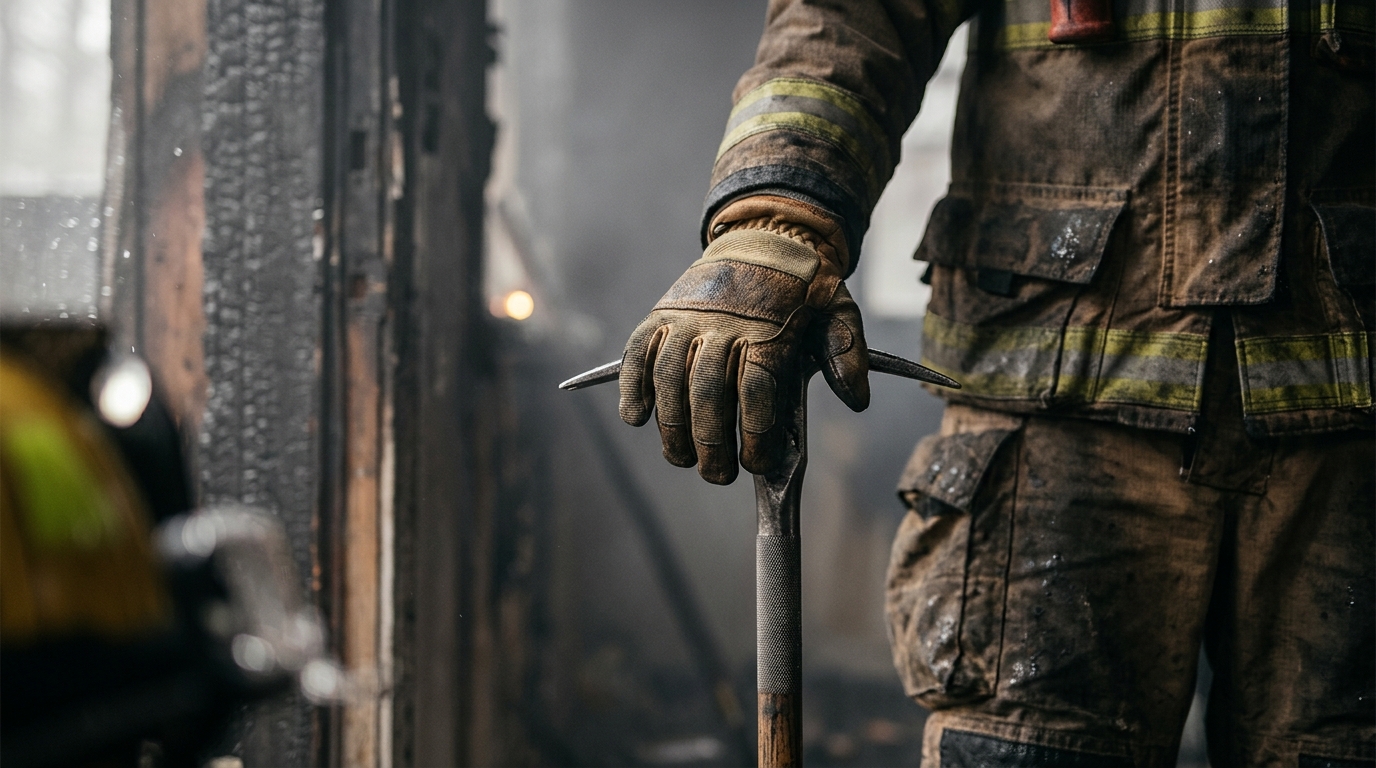
Your hands are your most important tools on the fireground. Every task you perform, from pulling hose and forcing doors to operating SCBA controls and searching in zero visibility, depends on gloves that deliver both thermal protection and tactile sensitivity. Structural firefighting gloves are specially engineered hand protection that must meet NFPA 1971 standards for thermal, physical, and bloodborne pathogen hazards. Choosing the wrong pair can impair tool operation, reduce grip, or worse, leave you exposed to burn injuries. This guide breaks down the features, materials, and top picks that balance dexterity with protection so you can make a confident choice.
Why Dexterity Matters in Structural Firefighting
Modern firefighting relies heavily on tool operation, radio use, and EMS patient care. Thick, stiff gloves can hinder your ability to activate an SCBA bypass valve, manipulate a thermal imaging camera, or tie a knot under stress. The dexterity-protection trade-off is the single most debated topic in firefighter glove selection.
Firefighter gloves are the most frequently replaced piece of structural PPE. Your hands contact tools, hose, debris, and victims on every call. The right gloves balance thermal protection, dexterity, grip, durability, and moisture management. That balance is what separates a good glove from a great one.
Understanding NFPA 1971 Certification
NFPA 1971 is the standard that establishes minimum levels of protection from thermal, physical, environmental, and bloodborne pathogen hazards encountered during structural firefighting. Any glove used for interior structural operations must carry this certification. The standard covers thermal protective performance (TPP), conductive heat resistance, cut and puncture resistance, and liquid barrier integrity.
Never purchase gloves marketed as "firefighting gloves" that lack NFPA 1971 certification. Non-certified gloves may look similar but will not protect your hands under actual fireground conditions. Always verify UL or SEI certification marks before buying.
NFPA 1971 vs. NFPA 1977
NFPA 1977 is the standard for wildland firefighting protective equipment. Wildland gloves prioritize breathability and weight over heavy thermal protection. For interior structural work, NFPA 1971 certification is non-negotiable. Chief Miller Apparel stocks gloves meeting both standards in their fire and rescue gloves collection.
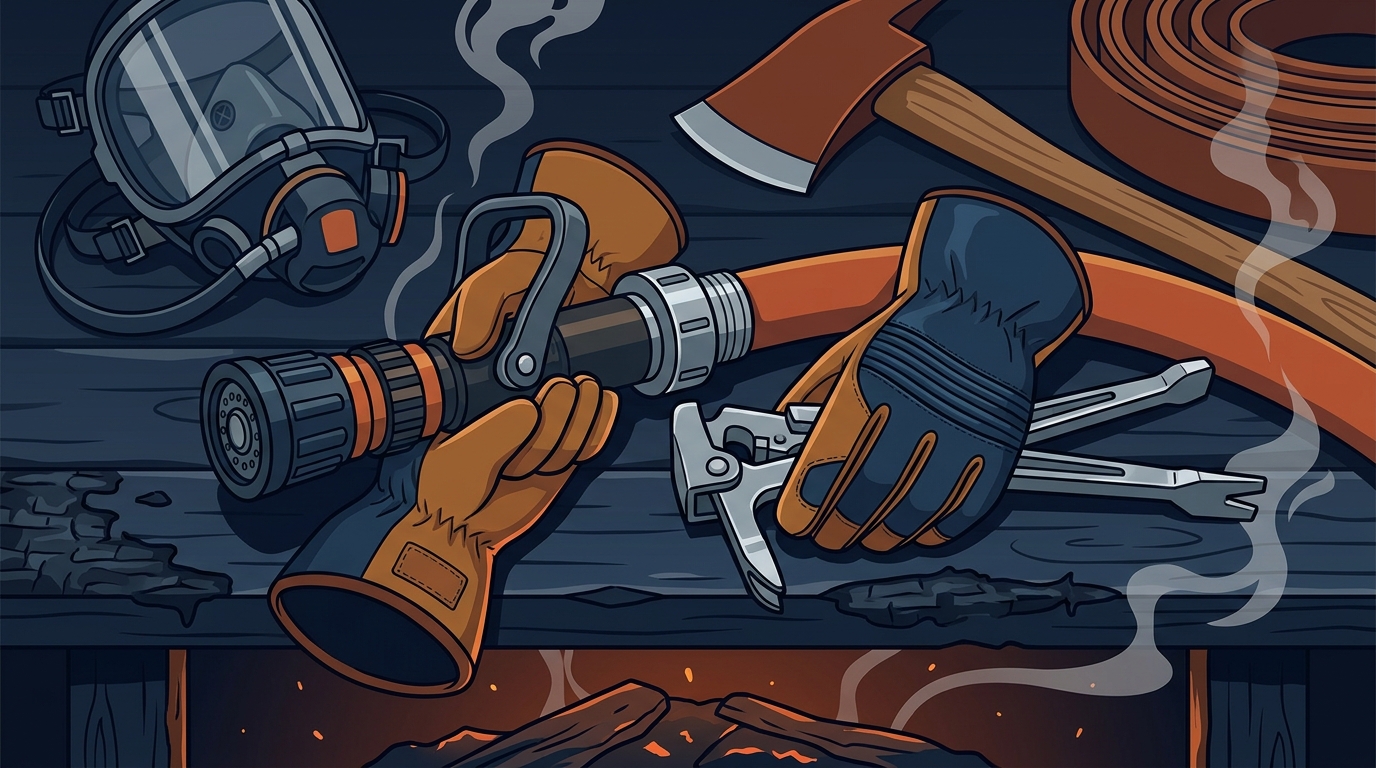
Key Materials: Kevlar, Leather, and Liners
Structural firefighting glove construction typically includes three layers: an outer shell, a moisture barrier, and a thermal liner. Each layer uses specific materials engineered for its role.
Outer Shell Materials
Leather is the most common outer shell material. Cowhide provides rugged durability. Goatskin offers a lighter, more supple feel with excellent grip. Kangaroo leather is a premium hide that delivers unparalleled tensile strength and high durability relative to its weight while remaining naturally water-resistant. Pigskin provides a natural dexterity advantage over cowhide while maintaining structural protection standards.
Thermal Liner and Moisture Barrier
Kevlar is a heat-resistant aramid fiber used in both stitching and liner construction to provide cut resistance and thermal insulation. Nomex is another aramid fiber commonly used in thermal liners for its flame-resistant properties. A quality moisture barrier, often ePTFE-based, prevents liquid penetration while allowing vapor transmission to keep hands drier.
Critical Features to Evaluate
When shopping for the best firefighting gloves, prioritize these features:
- Sculpted fingertip design: Tapered finger profiles that follow the natural shape from knuckle to tip improve tactile feedback.
- Reinforced high-wear areas: Thumb crotch reinforcement and double-stitched knuckle banding extend glove life.
- Grip enhancement: Textured palm surfaces and sewn-down palm layers improve gripping efficiency in wet conditions.
- Wrist closure type: Gauntlet cuffs tuck under coat sleeves, while wristlet styles offer a snugger fit and faster donning.
- Pre-curved or articulated fingers: Reduce hand fatigue and improve range of motion.
Top Structural Firefighting Gloves Compared
Below is a comparison of popular structural gloves available through Chief Miller's Vanguard collection and the broader market. All listed models are NFPA 1971 certified.
| Glove Model | Shell Material | Dexterity Rating | Key Feature | Cuff Style |
|---|---|---|---|---|
| Vanguard MK-1 | Goatskin / Kevlar knit | High | Sculpted fingertip design for superior tactility | Wristlet |
| Vanguard MK-1 Ultra | Kangaroo leather | Very High | Premium kangaroo leather, lightweight and water-resistant | Wristlet |
| MFA72 Kangaroo Gauntlet | Kangaroo leather | High | Extended gauntlet cuff for sleeve overlap | Gauntlet |
| MFA73 Kangaroo Wristlet | Kangaroo leather | High | Wristlet design for quick donning | Wristlet |
| Saber Pro 3D | Leather / composite | High | 3D ergonomic construction | Gauntlet |
Why the Vanguard MK-1 Series Stands Out
The Vanguard MK-1 Structural Firefighting Glove features a unique sculpted fingertip design that makes tactility effortless without compromising safety. Its goatskin palm and Kevlar knit provide flexibility, grip, and dexterity alongside certified NFPA 1971 thermal, cut, and puncture resistance. The MK-1 Ultra upgrades to kangaroo leather for even greater strength, durability, and suppleness.
Both models include a moisture barrier protecting against chemicals and bloodborne pathogens. Palm layers are reinforced with genuine leather and sewn down to enhance gripping efficiency. The thumb crotch is reinforced for the high-stress area that typically wears out first.
Getting the Right Fit and Sizing
Proper fit is essential for both safety and efficiency. A glove that is too tight compresses the thermal barrier, reducing the trapped air that provides insulation. A glove that is too loose impairs dexterity and grip. Aim for a fit that allows full fist closure without excess material bunching at the fingertips.
Note that many high-performance structural gloves, including the Vanguard MK-1 series, tend to run small. Order one size larger than your standard measurement. When possible, try gloves on while wearing your full turnout gear ensemble to verify compatibility with coat sleeves.
Care and Longevity Tips
Proper care extends glove lifespan significantly. Air-dry gloves after each use rather than placing them on heat sources. Inspect for stitching failures, cracked leather, and compromised moisture barriers before every shift. Store gloves in a dedicated gear bag away from UV exposure and contaminants.
Replace structural gloves immediately when you notice thermal liner compression, holes in the moisture barrier, or loss of grip on the palm surface. No amount of maintenance can restore a structurally compromised glove to safe operating condition.
Key Takeaways
- NFPA 1971 certification is mandatory for any glove used in structural firefighting operations.
- Dexterity and thermal protection exist on a spectrum. Choose the balance that matches your primary fireground role.
- Kangaroo leather offers the best strength-to-weight ratio and natural water resistance among shell materials.
- Sculpted fingertip designs and pre-curved fingers dramatically improve tactile sensitivity.
- Always size up if a glove runs small, and test fit with your full turnout gear.
- Moisture barriers protect against chemicals and bloodborne pathogens while keeping hands drier.
- Replace gloves at the first sign of thermal liner compression or moisture barrier failure.
Frequently Asked Questions
What is the NFPA 1971 standard for firefighting gloves?
NFPA 1971 is the standard published by the National Fire Protection Association that establishes minimum protection levels from thermal, physical, environmental, and bloodborne pathogen hazards during structural firefighting. All structural gloves must carry this certification.
What leather is best for structural firefighting gloves?
Kangaroo leather is widely considered the premium choice because it delivers exceptional tensile strength relative to its weight while remaining supple and naturally water-resistant. Goatskin and cowhide are also excellent options at lower price points.
How do I improve dexterity without sacrificing protection?
Look for gloves with sculpted fingertip profiles, pre-curved fingers, and multi-layer Kevlar knit construction. These design elements maintain NFPA 1971 thermal protection while maximizing hand mobility and tactile feedback.
How often should I replace structural firefighting gloves?
Replace gloves whenever you observe cracked leather, frayed stitching, compressed thermal liners, or moisture barrier breaches. With regular use, most departments replace structural gloves every 6 to 12 months, though heavy use may require more frequent replacement.
Do the Vanguard MK-1 gloves run true to size?
No. The MK-1 and MK-1 Ultra both tend to run small. The manufacturer recommends ordering one size larger than your usual measurement to ensure proper fit and thermal insulation performance.
What is the difference between gauntlet and wristlet cuffs?
A gauntlet cuff extends over the coat sleeve and provides a wider opening for easier donning. A wristlet cuff fits under the sleeve for a tighter seal and more streamlined feel. Choice depends on personal preference and departmental SOPs.
Can I use structural gloves for extrication work?
While structural gloves offer thermal protection that extrication gloves do not, they are thicker and reduce fine motor control. Many firefighters carry a separate pair of extrication gloves for vehicle rescue and technical work. Chief Miller offers dedicated extrication gloves alongside structural models.
Find Your Perfect Structural Gloves
Your hands deserve the best protection that still lets you do your job. Browse the full lineup of NFPA 1971-certified structural firefighting gloves at Chief Miller Apparel's fire and rescue gloves collection and gear up with confidence for your next tour of duty.